
First — whatever you’re going through right now, it’s okay.
Sad days happen to everyone. Sometimes there’s a big reason.
Sometimes there’s no reason at all and that’s somehow worse. Either way, you’re not broken and you’re not alone.
Now, food won’t fix what’s making you sad. Let’s be honest about that upfront.
But what you eat when you’re having a hard day genuinely matters more than people realize.
When you’re sad, your brain is actually running low on serotonin — a chemical it needs to regulate mood.
And here’s the thing most people don’t know: about 90% of your body’s serotonin is made in your gut.
What you eat directly affects how much of it your brain can produce.
That means certain foods can quietly, gently help lift your mood from the inside. Not magically. Not instantly.
But real food that nourishes your gut, raises your serotonin, and gives your body what it needs to start feeling a little more like itself again.
And some of these are genuinely comforting too — because sometimes you just need something warm and good and simple. That’s allowed.
Here are 20 comforting meals to eat on a sad day. No judgment, no pressure. Just food that actually helps.
Fresh fruit — whatever sounds good to you:
On sad days your body often quietly craves something light and fresh — not heavy, not complicated.
Fresh fruit gives you natural sugar for a gentle energy lift, vitamin C which is depleted rapidly by stress, and water content that rehydrates a body that’s been crying or simply forgetting to drink.
Trust what sounds good. Your body usually knows.
What to do:
Eat whatever fruit sounds appealing right now. Strawberries, orange slices, watermelon, grapes, a cold peach — whatever feels right.
Cut it up nicely if you can, because small acts of taking care of yourself matter on hard days. Eat it slowly. Taste it properly. Let it be a small, simple good thing in a hard day.
A cup of warm broth — sipped slowly:
Bone broth or vegetable broth contains glycine — an amino acid that calms the nervous system and improves sleep quality.
It’s warm, it’s liquid, it requires almost no effort to consume, and on days when eating feels hard, sipping something warm and nourishing feels manageable in a way that a full meal sometimes doesn’t.
What to do:
Heat a mug of good quality bone broth or vegetable broth — store-bought is completely fine. Add a pinch of salt and a squeeze of lemon.
Wrap your hands around the mug and sip it slowly like tea. This is for the days when everything feels like too much and you just need something warm and simple and kind.
Spinach and egg scramble:
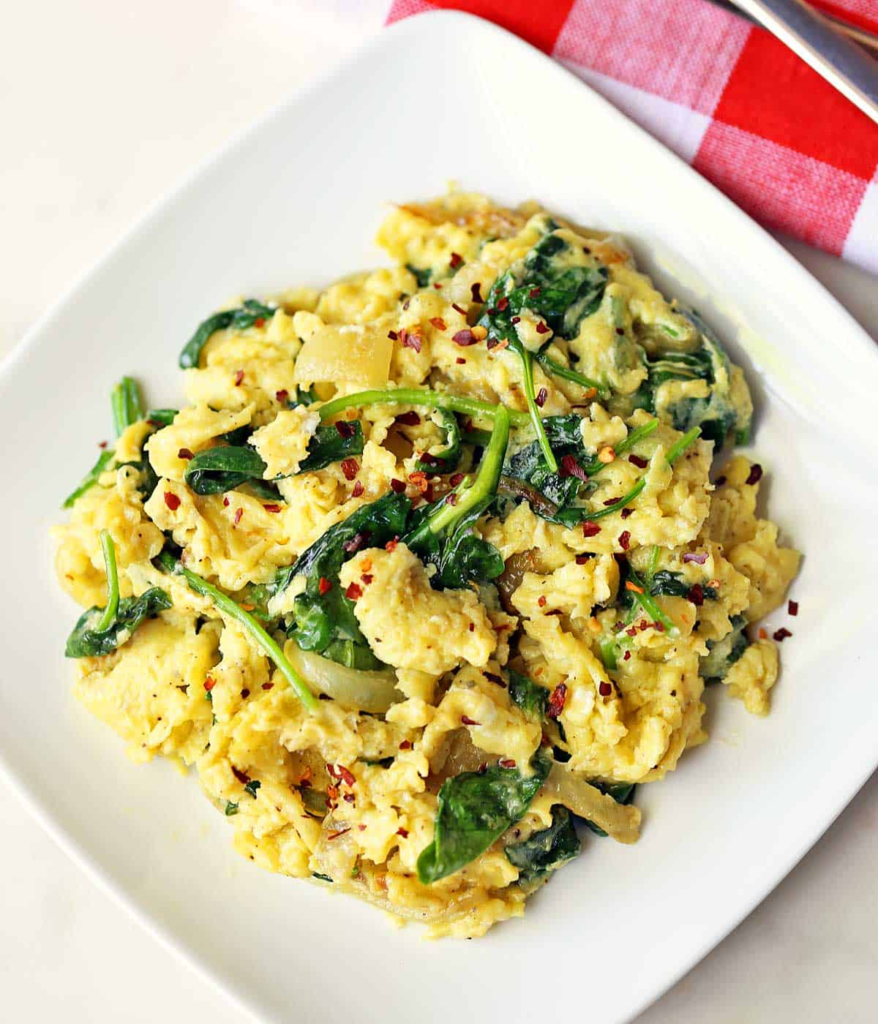
Spinach is one of the highest food sources of magnesium — a mineral that regulates the stress hormone cortisol and is directly involved in serotonin production.
Most Americans are deficient in magnesium and don’t know it. Low magnesium amplifies anxiety, sadness, and emotional sensitivity.
This scramble is one of the fastest ways to replenish it.
What to do:
Heat olive oil in a pan. Add 2 big handfuls of spinach and let it wilt for 1 minute. Beat 2-3 eggs with salt and pepper and pour over the spinach.
Stir gently until just cooked. Eat with toast or on its own. The whole thing takes 6 minutes and is one of the most quietly powerful things you can eat on a hard day.
Brown rice with miso soup:
Miso is a fermented food loaded with probiotics that support your gut microbiome — and as we’ve established, your gut and your mood are deeply connected.
Brown rice is a slow-digesting complex carb that steadily fuels your brain. This combination is particularly good on days when your appetite is low but your body clearly needs something real.
What to do:
Dissolve 1 tbsp white miso paste in 2 cups of hot (not boiling) water — boiling destroys the live cultures.
Add tofu cubes, sliced green onion, and dried seaweed if you have them. Serve alongside a small bowl of plain brown rice. Simple, warm, and quietly nourishing in a way that feels almost medicinal.
Roasted sweet potato — just with butter and salt:
Sweet potatoes are one of the best food sources of vitamin B6 — directly involved in serotonin and dopamine synthesis.
They’re also naturally sweet and deeply satisfying in a way that comforts without the guilt spiral that comes after eating actual junk food.
Roasting them brings out their natural sweetness and makes them taste like something special.
What to do:
Pierce a sweet potato all over with a fork. Rub with a little olive oil and salt. Microwave for 5-6 minutes until soft, or bake at 400°F for an hour if you have time.
Slice open, add a generous pat of real butter and a pinch of salt. Eat it warm from the skin. No other toppings needed. This one is perfect as it is.
Walnuts — a small handful, any time:
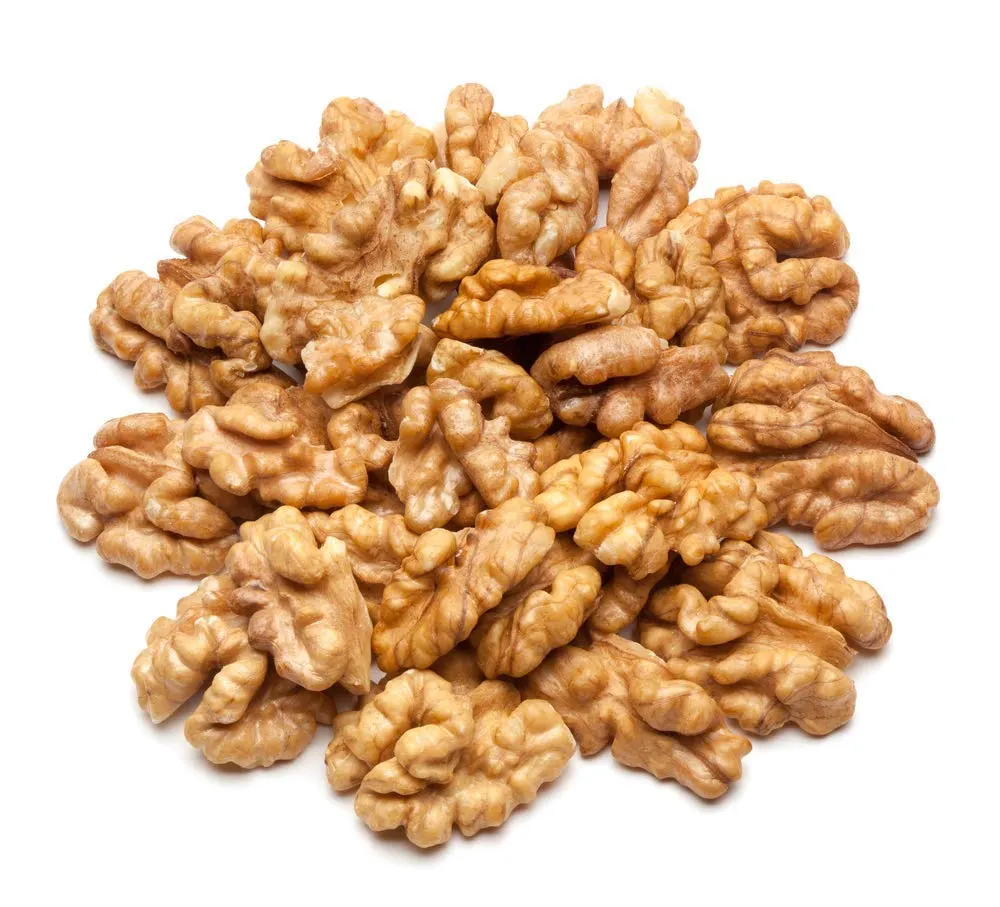
Walnuts are the only nut with significant amounts of omega-3 fatty acids — the same brain-supporting fat found in salmon.
They also contain melatonin and serotonin precursors directly.
Studies specifically link walnut consumption with better mood scores and lower rates of depression in large population studies. They’re small, easy, and genuinely powerful.
What to do:
Eat 7-10 walnut halves as a snack — any time of day. Keep a jar of them somewhere visible so you don’t forget. You don’t need to do anything with them.
Just eat them slowly, one or two at a time. Pair with a few dark chocolate chips if you want something that feels more like a treat.
Avocado on whole grain toast:
Avocados are one of the richest sources of folate and vitamin B6 — two nutrients directly involved in making serotonin and dopamine.
They also contain healthy monounsaturated fat that your brain uses as fuel.
On a sad day when you don’t feel like eating much, this is filling enough to count as a real meal but light enough not to feel heavy.
What to do:
Toast a slice of whole grain bread. Mash half an avocado with a squeeze of lemon, a pinch of salt, and red pepper flakes. Spread thickly on the toast.
Top with a fried egg if you can manage the extra step. Eat it sitting down, slowly. If the egg feels like too much today, just the avocado is enough.
Banana smoothie with oat milk and peanut butter:
This smoothie is one of the most tryptophan-rich drinks you can make.
Bananas, oats, and peanut butter are all high in tryptophan, and the natural sugars in the banana help shuttle that tryptophan across the blood-brain barrier where it becomes serotonin.
When you don’t feel like eating much, a smoothie is a gentle way to get real nutrition in.
What to do:
Blend:
1 ripe frozen banana, 1 cup oat milk, 1 tbsp peanut butter, 1/2 tsp cinnamon, a drizzle of honey, and a handful of ice. Blend until smooth.
Pour into a big glass. Sip slowly. If you have protein powder, add a scoop. If you have spinach and it won’t bother you, throw in a handful — you won’t taste it.
A warm mug of golden milk:
Turmeric contains curcumin, which has been studied as a natural antidepressant — it raises serotonin and dopamine levels in the brain similarly to some antidepressant medications, though much more gently.
Warm milk activates your parasympathetic nervous system, signaling your body that it’s safe to relax. This drink is a hug from the inside.
What to do:
Warm 1.5 cups of oat milk or whole milk in a saucepan on low. Whisk in 1 tsp turmeric, 1/2 tsp cinnamon, a tiny pinch of black pepper (it makes the turmeric 20x more bioavailable), and honey to taste.
Pour into your coziest mug. Drink slowly. Best on the couch with a blanket.
Lentil soup — warming and grounding:
Lentils are one of the best food sources of folate — a B vitamin that plays a direct role in serotonin and dopamine production.
Low folate is linked to higher rates of depression and is more common than people realize. Lentil soup is also warming, filling, and deeply satisfying in a way that lighter foods aren’t on days when you need something grounding.
What to do:
Sauté diced onion and garlic in olive oil until soft. Add 1 cup red lentils, 1 can diced tomatoes, 3 cups vegetable broth, 1 tsp cumin, 1 tsp turmeric, salt and pepper.
Simmer 25 minutes until thick and soft. Serve in a big bowl with crusty bread. Make extra — it tastes even better the next day.
Chamomile or lavender tea with honey:
Chamomile contains apigenin — a natural compound that binds to anxiety receptors in your brain and has a measurable calming effect.
Studies show it reduces symptoms of generalized anxiety and mild depression.
On a sad day when your nervous system is running hot, a warm cup of chamomile is one of the gentlest things you can give yourself.
What to do:
Steep a chamomile or lavender tea bag in hot water for 5 minutes — longer than you think, to get the full effect.
Add a generous spoonful of honey. Wrap your hands around the mug. Sit somewhere soft and quiet. No phone, no TV. Just the warmth and the quiet for a few minutes.
Salmon and Rainbow Trout:
Rainbow trout is basically salmon’s quieter, cheaper cousin. Same mood-boosting omega-3s, same buttery texture, usually $3-4 less per pound at the grocery store.
Cook it exactly the same way — pan fry with olive oil, lemon, and garlic for 4 minutes each side. If you can’t afford salmon every week, this is your answer.
Herbal hot chocolate:
Real hot chocolate — made with actual cocoa powder, not a packet — contains the same mood-lifting compounds as dark chocolate: flavonoids, theobromine, and phenylethylamine.
Adding ashwagandha or maca powder (optional, find them at most health stores) amplifies the stress-relieving effect. This is comfort food that also genuinely helps.
What to do:
Heat 1.5 cups of oat milk or whole milk in a saucepan. Whisk in 2 tbsp real cocoa powder, 1 tbsp honey or maple syrup, and a pinch of cinnamon.
Optional: add 1/2 tsp ashwagandha powder. Whisk until frothy. Pour into your favorite mug. This is the drink version of a blanket. Make it slowly, drink it slowly.
Pasta — yes, really, actual pasta:
Pasta gets a bad reputation, but on a sad day it earns its place.
Complex carbohydrates increase tryptophan uptake in the brain — and pasta, especially whole grain, is one of the most effective mood-supporting carbs you can eat.
There’s also a reason pasta feels like comfort food. It actually is. Your body knows what it’s doing when it craves it.
What to do:
Cook your favorite pasta. Keep it simple — olive oil, garlic, parmesan, and black pepper. Or a jar of good marinara sauce if that’s what sounds good.
Don’t judge yourself for eating pasta when you’re sad. Make a proper bowl of it, sit at a table, eat slowly. Sometimes simple and warm is exactly right.
One gentle reminder:
if sadness is sticking around for a while and food or rest isn’t touching it, please talk to someone — a friend, a family member, or a professional.
You deserve actual support, not just better snacks. Food helps. It doesn’t do everything. You matter more than any list on the internet.